Why is my basement flooding in Daytona Beach?
Learn the primary reasons for basement flooding in Daytona Beach and how to address them effectively to protect your home.
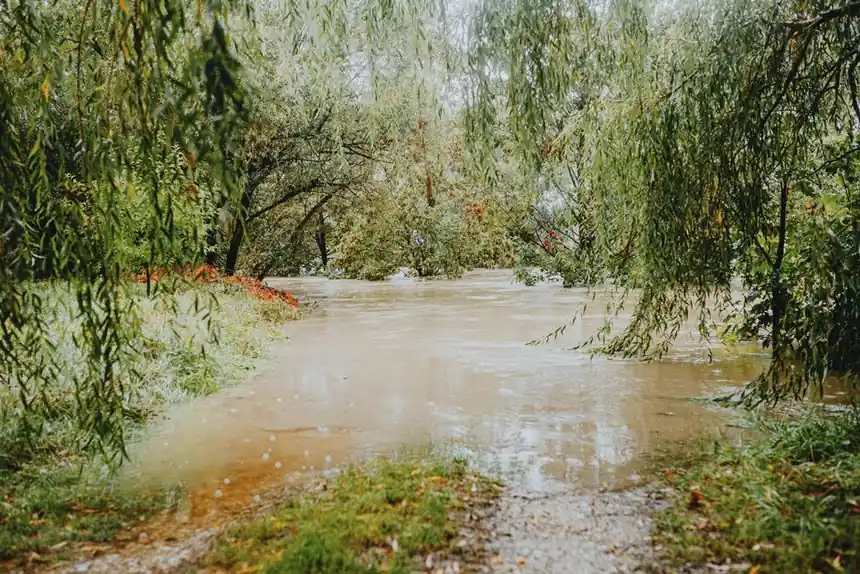
Basement flooding in Daytona Beach can occur due to several reasons, including heavy rainfall, poor drainage, and plumbing issues. Understanding these causes is crucial for effective prevention and remediation.
In this article, we will explore the common causes of basement flooding, how weather impacts these issues, signs to look for, and when to seek professional help from Water Damage Restoration Daytona Beach.
Common Causes of Basement Flooding
Basement flooding is a problem many homeowners face, particularly in coastal areas like Daytona Beach. The primary causes include:
- Heavy Rainfall: With Daytona Beach's tropical climate, intense rainstorms can overwhelm drainage systems, leading to water accumulation.
- Poor Drainage Systems: If your property lacks proper grading or drainage, water can flow towards your basement instead of away from it.
- Plumbing Failures: Burst pipes or sewer backups can lead to significant water intrusion, causing immediate flooding.
- Foundation Cracks: Over time, foundations can develop cracks that allow water seepage, especially during heavy rains.
- Groundwater Levels: High groundwater levels, particularly after prolonged rain, can increase the risk of flooding.
How Weather Affects Basement Flooding
Weather plays a significant role in the likelihood of basement flooding in Daytona Beach. The area experiences heavy rainfall during the summer months, often accompanied by storms. This can lead to:
- Increased Rainfall: A single storm can dump several inches of rain, overwhelming drainage systems.
- Hurricanes and Tropical Storms: These can bring torrential rains and storm surges, significantly raising the risk of flooding.
- Seasonal Changes: During the rainy season, the ground becomes saturated, making it difficult for additional rain to be absorbed.
Signs of a Flooded Basement
Recognizing the signs of basement flooding early can help mitigate damage. Common indicators include:
- Water Stains: Look for discoloration on walls or floors, which can signal past or present water intrusion.
- Mold Growth: Mold thrives in damp environments, and its presence can indicate ongoing moisture issues.
- Musty Odors: A persistent musty smell often suggests hidden moisture problems.
- Puddles or Dampness: Visible water on the floor or damp spots can indicate an active flooding issue.
Common Mistakes to Avoid
When dealing with basement flooding, homeowners often make mistakes that can exacerbate the situation. Common pitfalls include:
- Ignoring Warning Signs: Failing to address small leaks or moisture can lead to larger issues over time.
- Neglecting Drainage Maintenance: Regularly checking and maintaining gutters and downspouts is essential for preventing flooding.
- Using Improper Repairs: DIY fixes may not adequately address the root cause of flooding, leading to recurring issues.
- Delaying Professional Help: Waiting too long to call for Emergency Water Damage Restoration Daytona Beach FL can result in more extensive damage and higher repair costs.
When to Call a Professional
If you notice signs of flooding or water damage, it's essential to call a professional. Water Damage Restoration Daytona Beach can assess the situation and provide necessary services, including water extraction services Daytona Beach FL and structural drying Daytona Beach FL. Early intervention can prevent further damage and costly repairs.
Frequently Asked Questions
1. What should I do first if my basement floods?
Immediately turn off the electricity and call a professional for assistance. Avoid walking in floodwater until it's deemed safe.
2. How can I prevent future basement flooding?
Ensure proper drainage around your home, maintain gutters, and consider installing a sump pump to manage excess water.
3. How much does basement water damage restoration cost?
Typical costs range from $1,500 to $5,000, depending on the extent of the damage and required services.
4. How long does it take to dry a flooded basement?
Drying can take anywhere from 3 to 5 days, depending on the severity of the flooding and the drying methods used.
5. Can I handle water damage restoration myself?
While minor issues can be managed, professional help is recommended for significant flooding to ensure proper restoration and safety.