How to clean and restore water-damaged carpets
Discover essential steps to clean and restore water-damaged carpets in Daytona Beach, ensuring your home stays safe and dry.
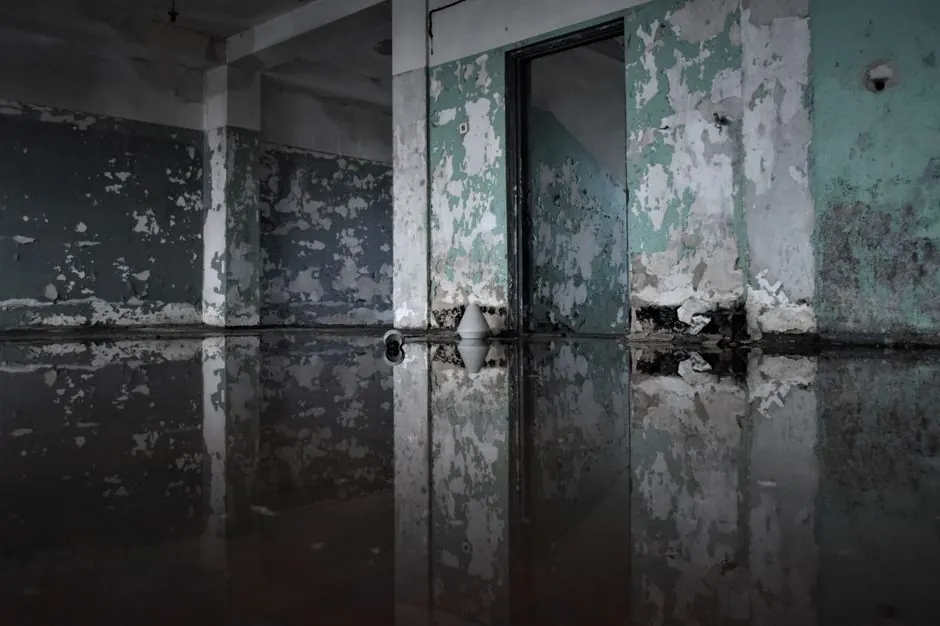
Cleaning and restoring water-damaged carpets involves a systematic approach to ensure they are safe and usable again. The first step is to assess the extent of the damage and take immediate action to mitigate further issues. This guide covers everything you need to know about handling water-damaged carpets in Daytona Beach.
Water-damaged carpet is carpeting that has been affected by moisture, leading to potential mold growth and deterioration. Understanding how to clean and restore these carpets can save you time and money while preserving your home's interior.
How to assess water damage to carpets
Assessing water damage to carpets is crucial to determine the appropriate cleaning method. Start by checking the carpet for visible signs of water damage, such as discoloration or mold growth. If the carpet feels wet, it is essential to act quickly to prevent further damage.
- Check for moisture under the carpet and padding.
- Inspect surrounding areas for potential leaks or water sources.
- Evaluate the extent of damage: minor, moderate, or severe.
In Daytona Beach, where humidity levels can be high, it's vital to monitor moisture levels regularly to prevent water damage. If you notice persistent dampness, consider professional water damage assessment services to identify underlying issues.
Steps to clean water-damaged carpets
Cleaning water-damaged carpets requires a few key steps to ensure thorough restoration:
- Remove excess water: Use towels or a wet/dry vacuum to soak up as much water as possible. For larger areas, consider water extraction services Daytona Beach FL.
- Dry the area: Open windows and use fans to circulate air. Dehumidifiers can also help reduce moisture levels.
- Clean the carpet: Use a carpet cleaner or a mixture of water and mild detergent to clean the affected area. Rinse thoroughly with clean water.
- Disinfect: Apply a disinfectant to kill any bacteria or mold spores. Ensure proper ventilation during this process.
- Dry completely: Allow the carpet to dry completely to prevent mold growth. This may take several hours to a few days, depending on humidity levels.
- Inspect and repair: After drying, inspect the carpet for any damage that may require repairs or replacement.
In cases of severe damage, you may need to consider carpet and upholstery cleaning Daytona Beach FL services to ensure thorough restoration.
Common mistakes to avoid
When cleaning water-damaged carpets, avoid these common pitfalls:
- Ignoring the padding: If the padding is wet, it usually needs to be replaced.
- Using excessive heat: High temperatures can damage carpet fibers, so use fans instead of heat sources.
- Delaying action: The longer you wait to address water damage, the worse it can get, leading to costly repairs.
- Overlooking mold: Always check for mold growth, especially in humid areas like Daytona Beach.
When to call a professional
Sometimes, cleaning water-damaged carpets requires professional help. If the damage is extensive, or if you notice persistent odors or mold growth, it's time to call in the experts. Water Damage Restoration Daytona Beach offers Emergency Water Damage Restoration Daytona Beach FL services to address urgent issues effectively.
Frequently Asked Questions
1. How long does it take to dry water-damaged carpets? Drying can take anywhere from 24 hours to several days, depending on the humidity and airflow in the area.
2. Can I clean water-damaged carpets myself? Yes, but for extensive damage, it's advisable to seek professional help to ensure thorough cleaning and restoration.
3. What causes mold to grow in carpets? Mold thrives in damp environments, so any residual moisture after a water event can lead to mold growth.
4. How do I prevent water damage in the future? Regular maintenance, checking for leaks, and using dehumidifiers can help prevent future water damage.
5. Should I replace my carpet after water damage? It depends on the extent of the damage. If the carpet is severely damaged or moldy, replacement may be necessary.
For more information about cleaning and restoring water-damaged carpets, reach out to Water Damage Restoration Daytona Beach.